
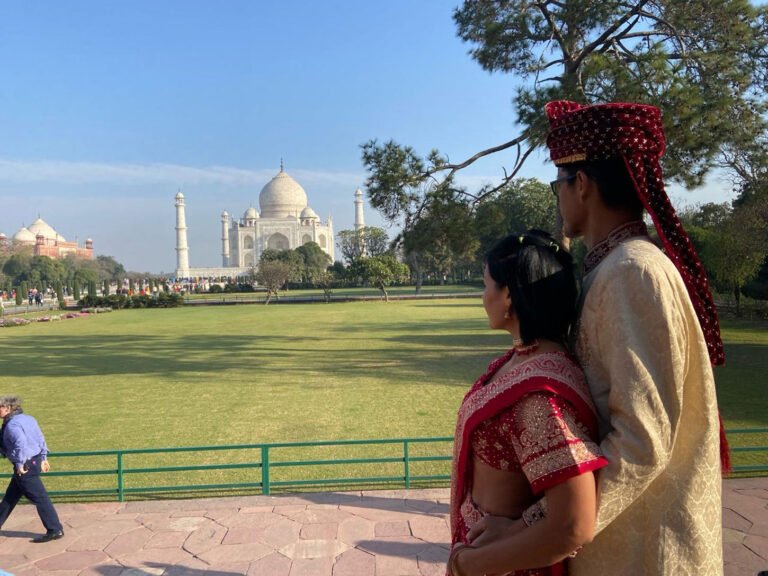
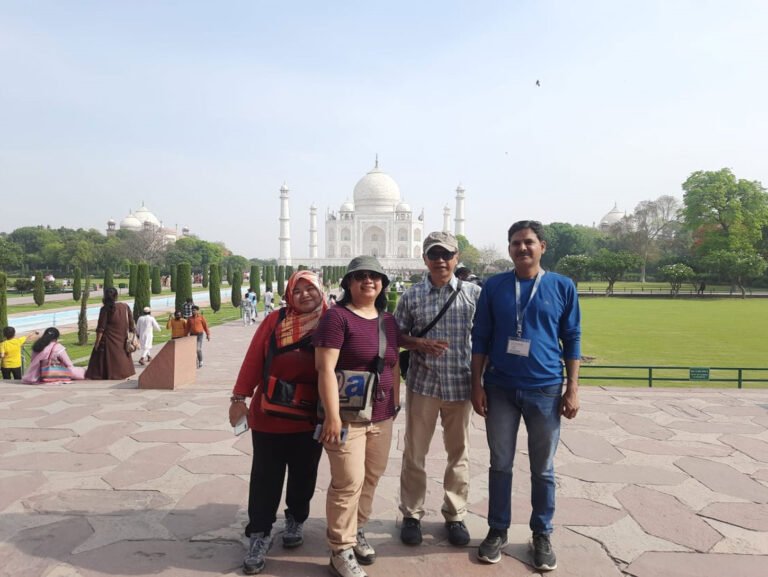
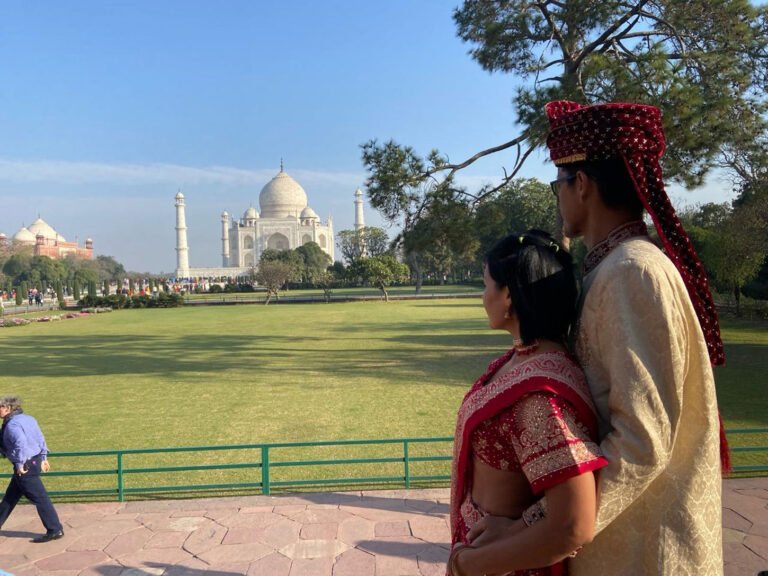
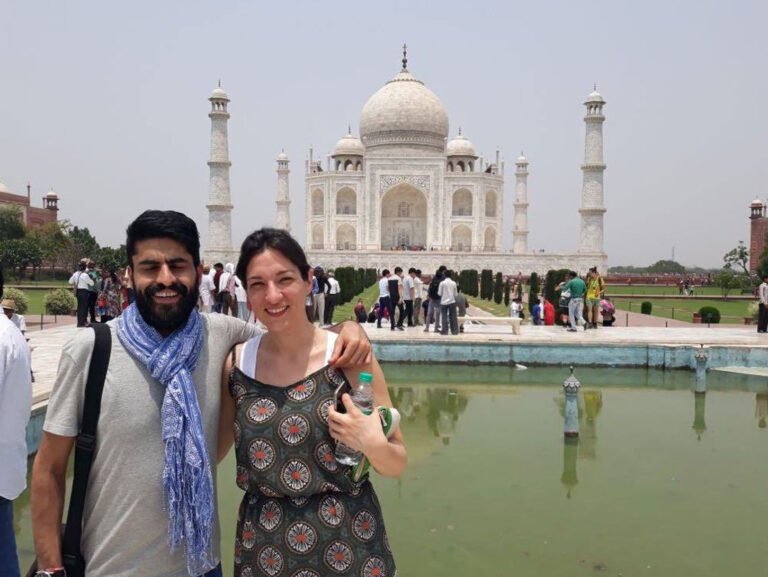
Taj Mahal Facts
The Taj Mahal is one of the world’s most famous monuments and a UNESCO World Heritage Site.
Quick Facts
- Location: Agra, India.
- Built by: Shah Jahan, the fifth Mughal emperor.
- Built in memory of: Mumtaz Mahal, Shah Jahan’s beloved wife.
- Construction period: Approximately 1632–1653.
- Material: Primarily white marble sourced from Rajasthan.
- UNESCO status: Designated a World Heritage Site in 1983.
Interesting Facts
- The Taj Mahal changes color throughout the day—pinkish at sunrise, bright white during the day, and golden under moonlight.
- The four minarets around the main tomb are slightly tilted outward so they would fall away from the structure if an earthquake occurred.
- More than 20,000 artisans and workers are believed to have participated in its construction.
- Precious and semi-precious stones were inlaid into the marble using a technique called pietra dura.
- The monument combines elements of Persian, Islamic, and Indian architectural styles.
- The tombs visible inside are decorative cenotaphs; the actual graves lie in a lower chamber.
- It is often regarded as a symbol of eternal love and attracts millions of visitors every year.
Dimensions
- Height of the main dome: about 73 meters (240 feet).
- The complex covers roughly 17 hectares (42 acres).
Did You Know?
A popular myth claims that Shah Jahan planned to build a “Black Taj Mahal” across the river, but historians have found no conclusive evidence for this story.
The Taj Mahal is widely considered one of the finest examples of Mughal architecture and is often listed among the most beautiful buildings in the world.
About Us
- +91-9897428047
- toursofagra@gmail.com
- Taj Nagari, Phase-1, Tajgnaj, Agra-282001
- SItemap
- Site XML
Agra Tourism
- Private Day Tour
- Taj Mahal Packages
- Agra Car Rental
- Taj Mahotsav Agra
- Taj Mahal in moonlight
- How to Reach Agra
Agra City Info
- Taj Mahal History
- Taj Mahal Facts
- Best Time to Visit
- Taj Mahal latest News
- Taj Mahal Do's & Don't
- Taj Mahal Fee & Timing
Places to visit
- Taj Mahal
- Agra Red Fort
- Sikandra
- Itmad-Ud-Daulah
- Fatehpur Sikri
- Mehtab Bagh
© 2026 All Rights Reserved by Tours of Agra